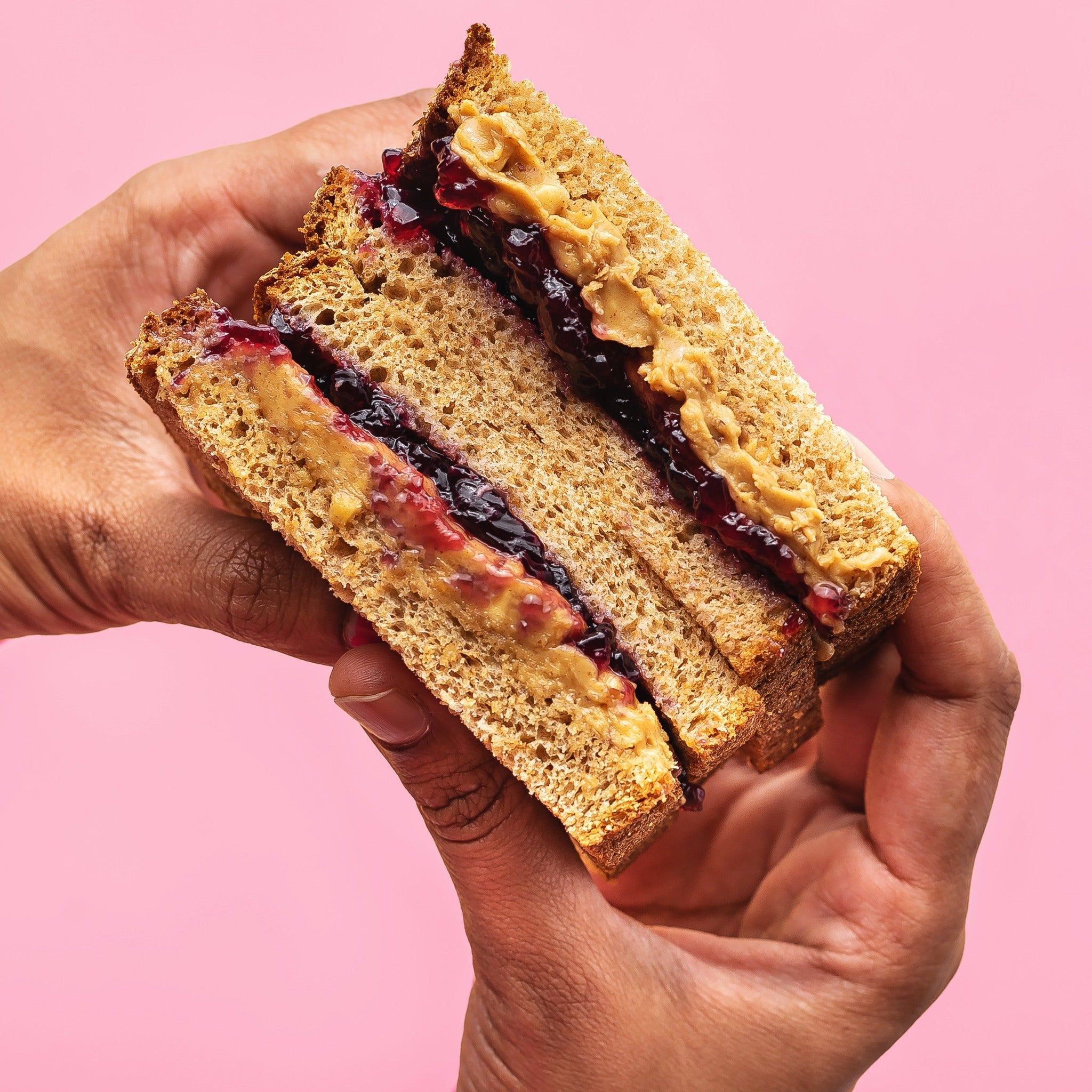
Simple, dietitian-approved tips for balancing protein, fiber, and your favorite breakfast foods.
Breakfast can set the tone for how you feel throughout the day, especially when it comes to energy levels, satisfaction, and blood sugar management.
Many traditional breakfast options are high in carbohydrates but lack sufficient protein and fiber. The good news? Building a blood sugar-friendly breakfast doesn't mean eliminating carbohydrates or giving up the foods you love.
Instead, it's about choosing quality carbohydrates and pairing them with protein, fiber, and healthy fats. These simple combinations can help support satiety, promote a more gradual blood sugar response, and keep you feeling satisfied throughout the morning.
The Building Blocks of a Blood Sugar-Friendly Breakfast
A balanced breakfast doesn't have to be complicated. Focusing on a few key nutrients can make a meaningful difference in how your body responds to your morning meal.
1. Protein: Supporting Satiety and Blood Sugar Balance
Including protein at breakfast can influence the body's insulin response and help support post-meal blood sugar management.¹ Protein also plays an important role in satiety, helping you feel fuller for longer.
Adding protein to your morning routine can be especially helpful if you find yourself hungry shortly after breakfast or reaching for snacks throughout the morning.
Easy protein-rich breakfast options include:
-
Eggs
-
Greek yogurt
-
Cottage cheese
-
Chicken sausage
-
Low-fat milk
-
Tofu
-
Protein powder
The key is choosing convenient protein sources that fit your preferences, schedule, and lifestyle.
2. Fiber: Slowing Digestion and Supporting Glucose Control
Fiber plays an important role in blood sugar management by helping slow the digestion and absorption of carbohydrates, which can contribute to a more gradual rise in blood glucose.²
Research also suggests that higher fiber intake may support improved long-term glycemic control and glucose markers, particularly in individuals managing type 2 diabetes.³
Simple ways to add more fiber to breakfast include:
-
Choosing whole-grain toast instead of refined white bread
-
Adding chia seeds to oatmeal or smoothies
-
Topping Greek yogurt with fresh berries
-
Incorporating high-fiber cereals
-
Enjoying whole-grain oats with fruit and nuts
Small additions, like stirring chia seeds into oatmeal or adding berries to yogurt, can help increase your fiber intake without completely changing your breakfast routine.
3. Carbohydrates: Focus on Quality, Not Elimination
Carbohydrates don't need to be eliminated to support blood sugar management.
Instead, consider the type and portion of carbohydrates you're eating, their fiber content, and what you're pairing them with.
Combining carbohydrate-rich foods with protein and fiber can help support a more gradual post-meal glucose response.
The goal isn't to avoid carbohydrates. It's to build a more balanced meal around them.
Putting It Into Practice: How to Build a Balanced Breakfast
When building a blood sugar-friendly breakfast, start with three simple components:
Protein: Eggs, Greek yogurt, cottage cheese, chicken sausage, or a protein-rich smoothie.
Fiber-Rich Carbohydrates: Whole-grain toast, oats, berries, fruit, or high-fiber cereals.
Healthy Fats: Avocado, nuts, seeds, nut butter, or chia seeds.
You don't need to include every food group at every meal. However, combining protein and fiber with your carbohydrate sources can help create a breakfast that's both satisfying and balanced.
Easy Blood Sugar-Friendly Breakfast Ideas
Looking for inspiration? Here are a few simple ways to put these principles into practice.
Sweet & Savory Breakfast Toast
Toast two slices of whole-grain bread. Top one with avocado and eggs, and the other with cottage cheese and GOOD GOOD Strawberry Jam.
This combination offers a balance of protein, fiber-rich carbohydrates, and satisfying fats while letting you enjoy both sweet and savory flavors.
Berry & Chia Oatmeal Bowl
Prepare whole-grain oats with low-fat milk, chia seeds, and frozen mixed berries. Add a spoonful of GOOD GOOD Jam for a little extra fruity sweetness, and serve alongside Greek yogurt for added protein.
Protein-Packed Yogurt Bowl
Combine plain Greek yogurt, low-sugar granola, fresh berries, and a spoonful of GOOD GOOD Jam for a quick and convenient breakfast.
Balanced Breakfast Smoothie
Blend Greek yogurt, berries, protein powder, and chia or flaxseeds for a satisfying breakfast that's easy to take on the go.
These meals don't require complicated ingredients or extensive preparation. They're simple ways to make your favorite breakfast foods work for your nutrition goals.
Small Swaps Can Make a Big Difference
As a registered dietitian, one of the most common concerns I hear from clients is:
“Does eating healthier mean I have to give up my favorite foods?”
The answer is no.
Healthy eating should be realistic, enjoyable, and sustainable. For most people, completely eliminating favorite foods isn't a long-term solution.
Instead of focusing on what you need to remove from your diet, consider what you can add to make your meals more balanced.
This might mean adding protein to your morning oatmeal, choosing whole-grain toast, incorporating more fiber, or finding lower-sugar alternatives to everyday favorites.
These small adjustments can help support your nutrition goals while leaving room for personal preferences, cultural traditions, convenience, and enjoyment.
A breakfast routine you genuinely enjoy is much more likely to become a lasting habit than one built around strict food rules.
Enjoy the Sweetness You Love With Less Sugar
For anyone who loves a sweet breakfast, making a simple swap can be an easy place to start.
Traditional jams often contain significant amounts of added sugar. GOOD GOOD Jam offers 0g of added sugar, making it a delicious alternative for those looking to reduce added sugar without giving up the fruit flavors they love.
Whether you're spreading it on whole-grain toast, swirling it into oatmeal, topping your yogurt bowl, or adding it to pancakes, GOOD GOOD Jam makes it easy to enjoy a little sweetness as part of a balanced breakfast.
It's a simple reminder that making better-for-you choices doesn't have to mean sacrificing flavor.
The Takeaway: Balance Over Restriction
Building a blood sugar-friendly breakfast doesn't have to be complicated or restrictive.
By prioritizing protein, incorporating fiber-rich carbohydrates, including satisfying fats, and making thoughtful swaps, you can create meals that support your blood sugar goals while still enjoying the foods you love.
Remember: Healthy eating isn't about perfection. It's about finding simple, sustainable habits that work for you.
And sometimes, a better breakfast starts with something as simple as adding a little more protein, choosing a fiber-rich carbohydrate, or swapping your traditional jam for GOOD GOOD.
Because breakfast should be just as enjoyable as it is nourishing!
References
-
Wolever TMS, Zurbau A, Koecher K, Au-Yeung F. The effect of adding protein to a carbohydrate meal on postprandial glucose and insulin responses: a systematic review and meta-analysis of acute controlled feeding trials. J Nutr. 2024;154(9):2640–2654. doi:10.1016/j.tjnut.2024.07.011
-
Silva FM, Kramer CK, de Almeida JC, Steemburgo T, Gross JL, Azevedo MJA. Fiber intake and glycemic control in patients with type 2 diabetes mellitus: a systematic review with meta-analysis of randomized controlled trials. Nutr Rev. 2013;71(12):790–801. doi:10.1111/nure.12076
-
Xie Y, Gou L, Peng M, Zheng J, Chen L. Effects of soluble fiber supplementation on glycemic control in adults with type 2 diabetes mellitus: A systematic review and meta-analysis of randomized controlled trials. Clin Nutr. 2021;40(4):1800–1810. doi:10.1016/j.clnu.2020.10.032