Low sugar jam sounds simple enough — but walk down any grocery aisle and you'll find labels that range from genuinely reduced sugar to products that just swapped one sweetener for another. If you're trying to cut back on added sugar without giving up the foods you actually enjoy, understanding what's in your jam jar is a surprisingly good place to start. Here's a practical breakdown of what low sugar jam means, what to look for, and how to use it well.
What 'Low Sugar Jam' Actually Means
The phrase 'low sugar' gets used loosely on food packaging, which makes it worth unpacking. In the US, the FDA defines 'low sugar' as containing no more than 5 grams of sugar per reference serving. 'No added sugar' means no sugar or sugar-containing ingredients were added during processing — though naturally occurring sugars from fruit are still present. These aren't the same thing, and the distinction matters if you're tracking your intake closely.
The Difference Between Low Sugar, No Added Sugar, and Sugar-Free
Low sugar refers to the total sugar content per serving. No added sugar means nothing was added — the sugar you see on the label comes entirely from the fruit itself. Sugar-free typically means less than 0.5 grams of sugar per serving and often involves sugar alcohols or other sweeteners. Most jams marketed as 'low sugar' or 'no added sugar' still taste sweet because fruit contains natural sugars like fructose. The key difference is whether manufacturers have layered additional cane sugar, corn syrup, or other sweeteners on top of that.
Why Traditional Jam Has So Much Sugar
Classic jam recipes call for a roughly 1:1 ratio of fruit to sugar. That's not just for sweetness — sugar acts as a preservative and helps jam set properly by interacting with pectin. Modern no-added-sugar jams use alternative gelling agents (like fruit pectin) and sometimes natural sweeteners like fruit juice concentrate or plant-based alternatives to achieve a similar texture without the added sugar load. The result is a product that spreads, tastes, and behaves like jam — without the sugar spike.
How to Read a Jam Label Without Getting Fooled
The front of a package is marketing. The back is information. When evaluating a low sugar jam, flip it over and look at three things: the ingredients list, the total sugars per serving, and whether 'added sugars' is listed separately on the nutrition facts panel. In the US, food labels are required to break out added sugars as a distinct line, so you can see exactly how much sugar was put in versus how much came from the fruit.
Ingredients to Watch For
High fructose corn syrup, cane sugar, glucose syrup, and maltose are all added sugars you'll find in conventional jams. On the better-for-you end, look for short ingredient lists with fruit at the top, followed by natural pectin or a plant-based gelling agent. Some products use fruit juice concentrate as a sweetener — technically 'no added sugar' by label standards but still a concentrated source of natural sugar. It's worth knowing what you're getting.
Serving Size Tricks
A serving of jam is typically one tablespoon. If a product shows 4 grams of sugar per serving and you're spreading two generous tablespoons on toast, you're looking at closer to 8-10 grams. This isn't a reason to avoid jam — it's just a reminder to calibrate expectations based on how you actually use it, not the number on the label.
Low Sugar Jam and Keto-Friendly Eating
Jam is often considered off-limits for people eating keto or low-carb, and with traditional jam, that caution makes sense — a single tablespoon of conventional strawberry jam can contain 10-13 grams of sugar. But no-added-sugar jams shift that math considerably. With 2-4 grams of naturally occurring fruit sugar per tablespoon, they can fit into a low-carb or keto-friendly approach without derailing daily carb targets. The key is portion awareness and choosing products where the sugar is coming from fruit, not from added sweeteners.
Using Low Sugar Jam as a Keto Condiment
On keto, condiments are often where hidden sugars live — sauces, dressings, and spreads are frequent offenders. A quality no-added-sugar jam used in moderation gives you flavor flexibility without a significant carb cost. Stir a teaspoon into plain full-fat Greek yogurt, use it as a glaze for grilled chicken thighs, or spread it on a low-carb wrap. These are real use cases, not workarounds — and they make eating low-carb feel less restrictive.
Better-for-You Pantry Swaps That Start With Jam
Swapping conventional jam for a no-added-sugar version is one of the easiest pantry upgrades you can make because the format is identical. Same jar. Same spoon. No new recipes required. But jam is also a more versatile ingredient than most people treat it — it's worth thinking beyond toast.
Breakfast Uses Beyond Toast
Stir a spoonful into overnight oats or chia pudding for natural fruit flavor without adding syrup or sugar packets. Layer it into a yogurt parfait with granola. Mix it with almond butter on a rice cake for a fast, protein-leaning snack. Use it as a topping for cottage cheese with a sprinkle of nuts. These are genuinely quick swaps that add flavor without requiring much effort or planning.
Savory Uses Most People Overlook
No-added-sugar jam works exceptionally well in savory applications. A spoonful of fruit jam whisked with olive oil and a splash of apple cider vinegar becomes a fast salad dressing. Mixed with mustard and a touch of garlic, it makes a solid glaze for salmon, pork tenderloin, or chicken. GOOD GOOD's Chili Fig Jam, for example, walks a natural line between sweet and savory — it works well on a cheese board alongside sharp cheddar or as a finishing glaze on roasted vegetables. These uses extend the value of one jar considerably.
Baking With Low Sugar Jam
Jam is a reliable ingredient in baked goods — it adds moisture, fruit flavor, and visual appeal to everything from thumbprint cookies to swirled quick breads and muffin tops. Using a no-added-sugar version means you're reducing overall sugar content in the final bake without changing the method. The texture stays intact; the flavor is still distinctly fruity. This is one of the more practical swaps for people who bake regularly and want to reduce sugar across recipes without reworking them entirely.
Why GOOD GOOD Approaches Jam Differently
GOOD GOOD started in Iceland, where the food culture leans toward simplicity and quality over excess. The original goal wasn't to create a diet product — it was to make jam that tasted genuinely good without relying on added sugar to do it. That means using real fruit, keeping ingredient lists short, and not treating 'better-for-you' as a compromise. The result is a range of jams and spreads — from classic Strawberry and Blueberry to more unexpected options like Chili Fig and Lemon Curd — that work across all the contexts above: breakfast, snacks, cooking, and baking. Low sugar jam doesn't need to be a lesser version of the original. It just needs to be made right.
Low Sugar Breakfast Ideas That Use Jam Well
If you're looking for practical low sugar breakfast ideas, jam is an underrated tool. Here are a few combinations worth trying this summer when you want something fast, flavorful, and not reliant on added sugar.
Almond Butter and Jam on Sourdough
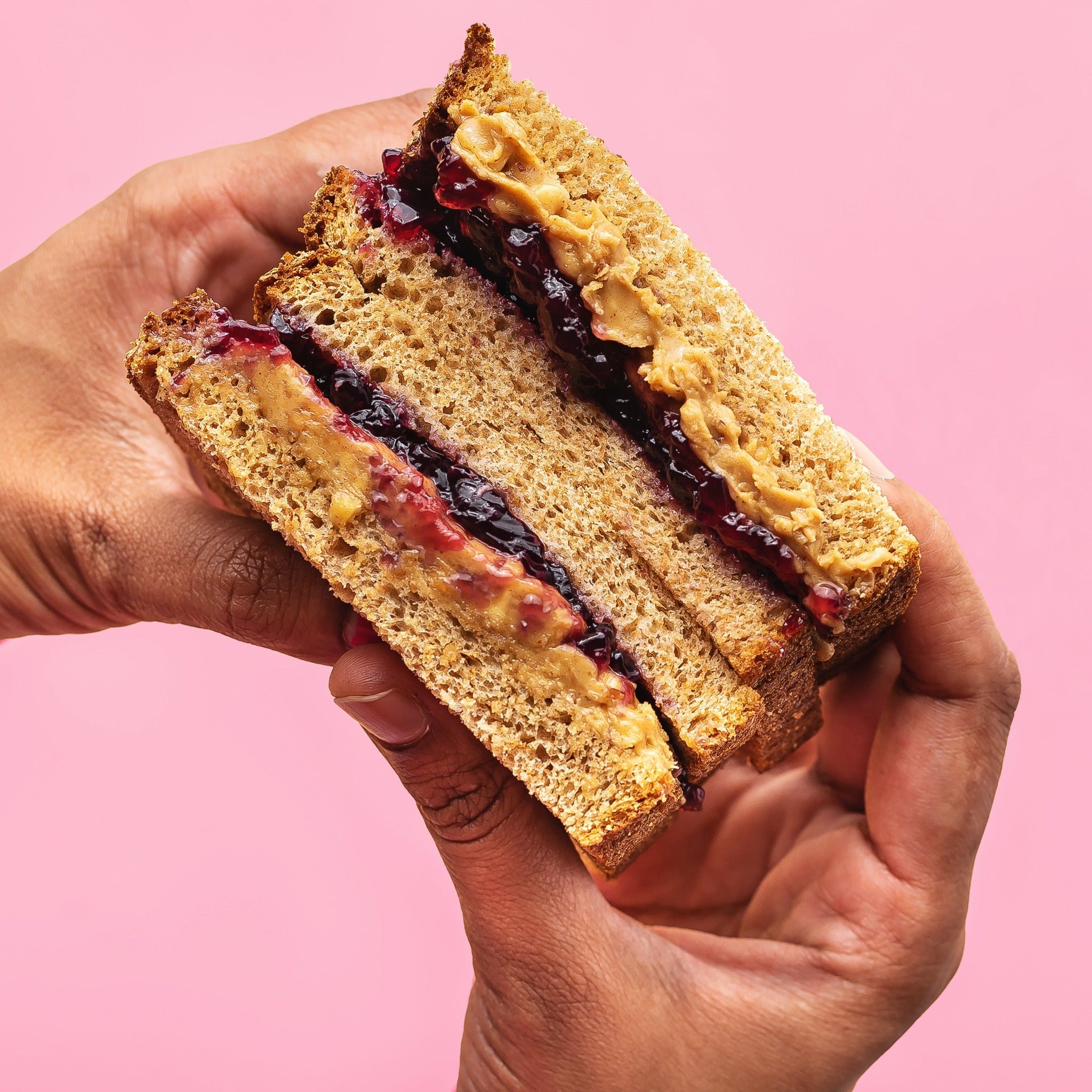
The classic PB&J upgraded. Use a thick-cut sourdough or whole grain bread, a generous layer of natural almond or peanut butter, and a tablespoon of no-added-sugar raspberry or strawberry jam. The fat and protein from the nut butter slow digestion and help balance the natural sugar from the fruit. It's filling, fast, and requires zero cooking.
Greek Yogurt Parfait With Jam Swirl
Layer full-fat Greek yogurt with a spoonful of no-added-sugar jam and top with mixed seeds or low-sugar granola. The jam functions as a natural sweetener and adds a bright fruit note without requiring flavored yogurt, which often contains significant amounts of added sugar.
Chia Jam Overnight Oats
Stir a tablespoon of no-added-sugar jam into overnight oats along with chia seeds, oat milk, and a small amount of vanilla extract. By morning the jam has dispersed throughout the oats, giving you even fruit flavor in every bite. This works especially well with blueberry, peach, or mixed berry varieties in summer.
Frequently Asked Questions
Is low sugar jam the same as no added sugar jam?
Not exactly. Low sugar jam refers to the total sugar content per serving being below a certain threshold. No added sugar means no sugar or sweetening ingredients were added — the sugar present comes naturally from the fruit. A jam can be labeled no added sugar but still have moderate total sugar from the fruit itself.
Can you use low sugar jam on a keto diet?
Yes, in moderation. No-added-sugar jams typically contain 2-4 grams of natural fruit sugar per tablespoon, compared to 10-13 grams in conventional jam. Used in small amounts, they can fit within a daily keto carb target. Check the label for total carbohydrates and serving size to be sure.
How is low sugar jam sweetened if it has no added sugar?
The sweetness comes from the natural sugars in the fruit used to make it. Some products also use fruit juice concentrate or plant-based sweeteners. The setting agent is typically fruit pectin rather than the large amounts of sugar that traditional jam recipes rely on for texture.
Does low sugar jam taste different from regular jam?
A well-made no-added-sugar jam tastes more intensely of fruit because the flavor isn't masked by heavy sweetness. The texture can vary slightly depending on the pectin used, but quality products are designed to spread and taste like jam — not like a diet substitute.
What can I use low sugar jam for besides toast?
Quite a lot. You can stir it into yogurt or oatmeal, use it as a glaze for meat or fish, whisk it into salad dressings, spread it on rice cakes with nut butter, or bake it into thumbprint cookies and muffins. Savory applications like cheese boards work especially well with fig or mixed berry varieties.
Browse the full GOOD GOOD jam lineup and find your new pantry staple — no added sugar, no compromises.