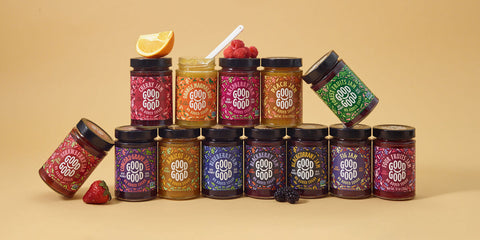
The search for the most popular jelly flavor has never been easier with us at GOOD GOOD. And it all comes down to flavor, nutritional value and how you can incorporate it into your daily snacks, meals, and desserts.

Try it from GOOD GOOD
Concord Grape Jelly
The classic flavor, with no added sugar. Sweetened with stevia and erythritol.
Shop nowIn this article, we'll delve into the delectable universe of the most popular jelly flavor and uncover the most popular 99% sugar-free jelly and jams we have on offer here at GOOD GOOD.
Let's get started!
The Most Popular Jelly: A Ranking of Top Favorites
Our investigation demonstrated that there are indeed a variety of delectable options for the most popular jelly flavor, each with its own unique charm.
Let's take a look at the contenders in this jelly showdown:
Table: GOOD GOOD's Top Favorites For Most Popular Jelly Flavor
|
Rank |
Flavor |
Description |
|
1 |
Grape Jelly |
The classic grape flavor that never goes out of style. Our sugar free grape jelly is the perfect partner for our crunchy peanut butter or no sugar added peanut butter to make a classic PB&J sandwich |
|
2 |
Strawberry Jelly |
Sweet, succulent strawberries in every spoonful. Our GOOD GOOD strawberry 99% sugar free jelly pairs excellently with pancakes and waffles for a delicious and healthy breakfast. |
|
3 |
Raspberry Jelly |
Bursting with the vibrant taste of ripe raspberries. Our raspberry 99% sugar free jelly is the perfect companion for happy hour - it goes down exceedingly well in a homemade cocktail or whiskey sour. |
|
4 |
Blackberry Jelly |
Rich and bold blackberries for an intense experience. Our GOOD GOOD blackberry 99% sugar free jelly is a delectable and nutritious filling for homemade keto Pop Tarts, pies, and olive oil cake. |
|
5 |
Blueberry Jelly |
A delightful blend of plump blueberries. Our blueberry 99% sugar free jelly pairs well with your morning oats and smoothies and is also the ideal ingredient for pancakes and muffins. |
|
6 |
Orange Marmalade |
Tangy and zesty, a citrus lover's dream that we've created here at GOOD GOOD. Our 99% sugar free orange marmalade is a terriffic topping for toast and scones and also an outstanding filling for tarts and pastries. |
|
7 |
Fig Jelly |
The exotic allure of figs in every jar. Add our GOOD GOOD fig 99% sugar free jelly to your cheese board or homemade keto mini cheesecakes. |
|
8 |
Peach Jelly |
Juicy peaches transformed into a sweet spread. Incorporate our peach 99% sugar free jelly is an excellent topping and filling for our fun takes on peach cobbler French toast and the classic grilled cheese sandwich in our recipe blog. |
|
9 |
Cherry Jelly |
Cherries in a jam form which is perfect for desserts. Try our GOOD GOOD keto cherry jelly when making homemade tarts, scones and cheesecakes. |
|
10 |
Apricot Jelly |
A delicate blend of apricots for a refined taste. Our apricot 99% sugar free jelly makes for a delectable glaze for chicken as well as an excellent grape jelly substitute for a PB&J sandwich. |
|
11 |
Forest Fruits Jelly |
A medley of fruits with bursts of flavor in every spoonful. Our forest fruits 99% sugar free jelly is a delectable ingredient for your next bowl of oatmeal or a succulent keto Açai bowl. |
|
12 |
Blackcurrant Jelly |
Redefining your average jam with a rich, authentic flavor of succulent blackcurrants. Our blackcurrant jam goes together with frangipane to make delectable pastries and tarts right at home. |
1. Grape Jelly
Our journey begins with a true classic, GOOD GOOD's sugar free grape jelly. This timeless flavor has earned its place at the top with its irresistible blend of sweetness and tanginess.
Whether slathered on toast or used as a versatile ingredient in various recipes, each spoonful of our Concord grape jelly uses the best grapes for jelly and consistently wins hearts with its familiar and comforting taste.
2. Strawberry Jelly
Coming in at a close second is strawberry jelly. The sweet, succulent strawberries in our 99% sugar free jelly create a symphony of flavors that's hard to resist.
Spread it generously on your morning toast or use it to elevate your desserts. Whatever the occasion, our GOOD GOOD strawberry jelly adds a burst of freshness to every bite, making it a crowd-pleaser and a must-try for berry enthusiasts.
3. Raspberry Jelly
In the third position, we have raspberry jelly, boasting the vibrant and intense flavor of ripe raspberries.
Our raspberry 99% sugar free jelly captures the essence of these tiny red berries, making it a great choice for those who crave bold and fruity notes in their spreads.
Whether you're making a PB&J sandwich or drizzling it over yogurt, our raspberry jelly lends a burst of natural sweetness.
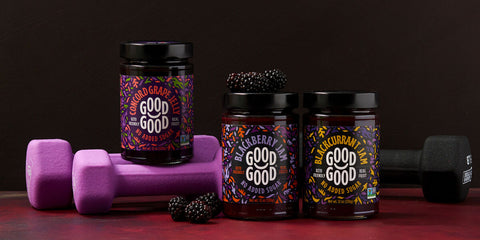
4. Blackberry Jelly
Blackberry jelly takes the fourth spot, offering a rich and bold flavor that appeals to those who seek a more intense jelly experience.
With our blackberry 99% sugar free jelly, you can enjoy the deep, dark fruitiness of blackberries in every bite.
After trying out this product, we found that our blackberry jelly's ideal for those who appreciate a bolder, slightly tart profile in their spreads.
5. Blueberry Jelly
Climbing up the ranks, blueberry jelly secures the fifth position with its delightful blend of plump blueberries.
Our GOOD GOOD blueberry 99% sugar free jelly captures the essence of this popular berry, creating a sweet and tangy spread that's perfect for breakfast or dessert. The vibrant blue color and refreshing taste make it a favorite among both kids and adults.
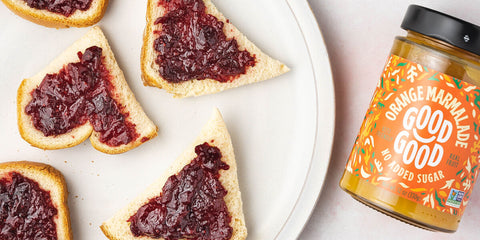
6. Orange Marmalade
For those who love a citrusy twist, orange marmalade takes the sixth spot on our list.
Our 99% sugar free orange marmalade combines tangy oranges with a touch of sweetness, creating a zesty spread that adds a burst of sunshine to your meals.
Whether you're using it as a topping or incorporating it into recipes, our orange marmalade brings a refreshing tang to the table.
7. Fig Jelly
Fig Jelly captures the seventh position with its exotic allure.
The delicate and unique flavor of figs shines through in our fig 99% sugar free jelly here at GOOD GOOD, making it a favorite among those who crave something different.
Through our trial and error, we discovered that the natural sweetness of figs and their slightly nutty undertones make our jelly a great addition to your desserts like homemade cheesecake.
8. Peach Jelly
In the eighth spot, we have peach jelly, crafted from juicy peaches transformed into a sweet spread.
Our peach 99% sugar free jelly embodies the essence of ripe peaches, offering a taste of summer all year round.
Whether you're enjoying it on warm toast or using it in homemade desserts, our GOOD GOOD peach jelly adds a touch of sweetness and a hint of nostalgia in every bite.
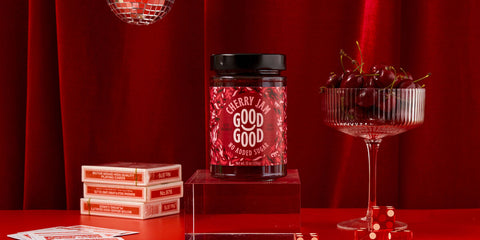
9. Cherry Jelly
Cherry Jelly takes the ninth position, celebrating the irresistible charm of cherries in jam form.
Our no added sugar cherry jelly is a delightful addition to your desserts and snacks. The bold and fruity flavor of cherries shines through, making it a top choice for those with a sweet tooth.
10. Apricot Jelly
In the tenth spot, we have apricot jelly, offering a delicate blend of apricots for a refined taste.
Our GOOD GOOD apricot 99% sugar free jelly embodies the natural sweetness of apricots, making it an elegant choice for those who appreciate subtlety in their spreads.
Whether paired with cheese or used in pastries, Apricot Jelly adds a touch of sophistication to your culinary creations.
11. Forest Fruits Jelly
Forest fruits jelly comes in the eleventh position, offering a medley of forest fruits for an exotic culinary adventure.
Our forest fruits 99% sugar free jelly combines the flavors of various berries and fruits, creating a complex and captivating spread. If you're looking for a jelly that surprises and delights with every spoonful, then this one's for you.
12. Blackcurrant Jelly
Closing our list in the twelfth position is GOOD GOOD's black currant jam. Our blackcurrant jelly is renowned by our customers for its irresistible blend of bold, tangy blackcurrants.
Bursting with fruity goodness, our jam captivates taste buds with its rich, authentic flavor, making it a top choice for those seeking a unique jelly experience in their desserts.
Conclusion
In our quest to find the most popular jelly flavor, we've explored a diverse array of options, each with its own unique charm.
Whether you prefer the classic sweetness of Concord grape, the succulent freshness of strawberry, or the bold intensity of blackberry, we at GOOD GOOD have a flavor for every palate.
Now, it's your turn to embark on a flavor-filled adventure with our collection of jellies, jams, and spreads with no added sugar.
Shop now and experience the deliciousness of GOOD GOOD's 99% sugar-free jelly range first-hand today!
If you want to learn more, why not check out these articles below:
- How Much Sugar Is in Jelly
- Is Grape Jelly Gluten Free?
- Is Jelly Gluten Free?
- Is Jam Gluten Free?
- Is Orange Marmalade Gluten Free?
- Is Strawberry Jam Gluten Free?
- Is Sugar Free Jelly Good for Diabetics?
- Is Sugar Free Jelly Good for You?
- Best Jelly for PB&J
- Best Grape Jelly
- Peanut Butter and Jelly Alternatives
- Red Currant Jelly Alternative
- Best Raspberry Jam
- Best Fig Jam
- Best Blueberry Jam